

Coffee Beans and Grinders
A great cup of coffee begins with freshly ground beans. A proper grind size will ensure you get the best flavor and aroma extraction.
The Opus grinder features 41 grind settings including volumetric dosing, as well as a spouted catcher that helps to reduce mess. It also comes with a tamper that keeps the blades from being worn out too fast.
Pins that roll Pin
The rolling pin has been a standard tool in kitchens across the world for centuries. This versatile tool can be used to prepare many food items such as beans. There are many different sizes and styles of rolling pins. Some are made of metal, while others are made from wood. There are models specifically designed for specific tasks such as kneading and pastry making. Choose a rolling pin that is easy to use and will work in your kitchen. If you're unsure which model to choose, ask a knowledgeable supplier for advice.
The roller pin method could be a great alternative to grinding beans in blenders or food processors. While it is more labor-intensive, the roller pin method is efficient in achieving a medium-coarse grind that is compatible with French press and drip coffee. It can be adjusted to create an even finer grind when needed.
This method is messy So make sure to protect your work area by covering it with aluminum foil or a similar surface. Then lay the beans in one layer on a flat surface such as a cutting table. Then, roll the beans over with a rolling pin, applying the same pressure to all the parts of the beans. Repeat this process until you've got the desired coarse grind.
If you're not comfortable using a rolling pin then you could try using hammers instead. This method is noisy and may take a long time to get a coarse grind. However, it's more effective at chopping up the beans into smaller pieces and may be less damaging to your kitchen tools.
You can also use a pestle and mortar to grind beans. This is a more hands-on process that can be difficult to master, however it will yield more reliable results. This method is suitable for those looking to create fine grounds for example, like a chemical or French press coffee. It is crucial to check the consistency of your ground beans periodically to make sure you are not over-grinding them. This can lead to bitter coffee or blockage of the coffee maker.
Bag
A coffee bag is a kind of packaging that is used to transport and store whole beans or ground beans. It is a bag that is flexible and has side gussets, which makes it easier to grip, seal, and can be made from paper, cotton or even plastic. Some bags are insulated to protect the beans from moisture while retaining heat. This enhances flavor. Some bags also have a vent for degassing that lets carbon dioxide escape while keeping oxygen.
It can be difficult to choose the right bag, because they all have distinct advantages and drawbacks. In general the paper bag is lightweight and recyclable, making it a green option. It can absorb odors and moisture, and then become brittle over time. Cotton or jute are better alternatives if you are looking for a bag that will last longer. These fabrics are also more resistant to tears and stains.
Consider the bag's reputation and recommendations when selecting it. You can read online reviews or ask local coffee enthusiasts and your coffee shop for suggestions. Ultimately, it's best to test and taste various options to determine the most suitable one for your preferences.
Grinding coffee beans isn't just about the size of the particles, it's also about their shape and consistency. Different shapes and sizes of the particles affect how water moves through the coffee, which ultimately determines the extraction rate and the flavor. Finely-ground particles can cause over-extraction and bitter notes and bitter notes, while coarser particles may not extract enough flavor (under extraction).
Some brands recommend grinding the beans before making. However, it is best to grind the beans just before using them. Grinding too far in advance could cause the beans to become oxidized, which can affect their flavor. It is also crucial to use a fresh grinder when grinding, since coffee oils and residues can build up over time.
You can also try a mortar and pestle to grind your beans. This classic kitchen tool gives more control than blends and is easy to use. It's important to not overgrind the beans as it can harm the seeds and change the flavor.
coffee machine grinder
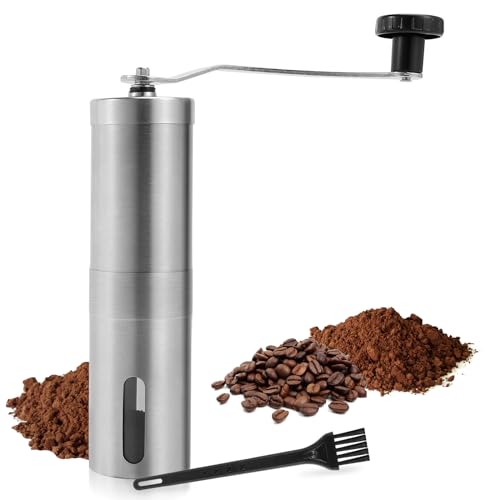
If you're left with no grinder but are determined to make a great cup of coffee, there are a variety of different ways to grind beans by hand. Certain methods require more precision and patience than others, but they can all be successful if you have the right tools and have a little grit. You can employ a rolling pin or hammer, or even a meat tenderizer for grinding your beans. Be sure to shield the counters and avoid using excessive force since this could damage the beans or even break a hammer or rolling-pin.
When you grind your own beans, you have more control over the texture of the coffee. You can make a fine or coarse grind, depending on your preference and brewing method. It is essential to have the right texture for coffee because it can affect how water flows through the grounds and extracts aromas and flavor.
Whole beans are a source of aromatic and volatile oils which give coffee its unique flavors and aromas. When you grind coffee, these compounds are exposed to air and can be extracted from water during brewing. The size of the grind is also crucial, as it influences how water interacts and brews with coffee beans. A grind that is too fine can result in bitterness and excessive extraction and a too coarse grind may result in bitter or unappealing tasting coffee.
The first step in this process is to measure the desired amount of coffee beans you wish to grind. Place the coffee beans in a bag that can be sealed or between parchment paper. Then, place the bag flat on a hard surface and make use of a rolling pin to crush the beans. This method is efficient and can result in a fine coarse grind. Just be careful not to overdo it as too much pressure can harm the bag and ruin your coffee.
This is a messy method that requires some grit. It works best if you place the beans in an airtight bag or between parchment paper, to stop them from flying around. Then, you can press the hammer against the bag lightly, instead of hitting it as a nail. This will stop you from damaging the counter or hammer. Also, you will achieve a steady quality.
Paper Filter
Paper filters separate ground coffee from the liquid that is brewed, and give a clear and bright cup of coffee without the dregs. They are easy to use and can be thrown away when using manual brewers. Paper filters are biodegradable, and can be composted making them an ideal choice for households that are environmentally conscious. After brewing, they are simple to clean and do not require washing, unlike metal filters. It is important to know how to properly make use of a paper filter because improper technique can result in a drink that is bitter due to excessive extraction or has a gritty texture from unstrained grounds.
Paper filters are absorbent and are able to absorb the majority of the natural oils in coffee beans. This results in cups that are less oily and has a blander taste. This also prevents the aroma and flavor compounds from escaping into the final coffee. Certain oils, such as cafestol and kahweol, are known to increase cholesterol levels and avoiding them could be beneficial to some people.
Paper filters are made by washing wood pulp and converting it into thin sheets. The sheets are then cut into a variety of shapes, including half moons which are then placed in an holder for coffee filters. Some companies, like Melitta make unbleached filters. Bleached paper can leach dioxins into the coffee you drink So choosing a non-bleached filter is an option for people who are conscious about their health.
Filters are available in a variety of sizes to accommodate a variety of coffee maker models. Some filters have larger holes, while others have smaller ones. The size of the holes determines which type of grind is most suitable. Larger holes are better for coarser grinds whereas smaller ones are best for medium-sized particle sizes. The size of your filter can affect the taste of your coffee. Some filters can transfer foreign flavors, or over-extract the grounds, which can cause them to clog. A premium model that is designed to minimize this will result in the most delicious cup of coffee.